Blog | International Day Against Homophobia, Biphobia and Transphobia 2023 – DCC Vanessa Jardine
It’s easy for the police to talk about hate crime. It’s all hypothetical and ‘just another’ crime category, isn’t it? Sadly not.
There’s no official statistics on this but I strongly suspect that almost all LGBTQ+ officers and staff, will have been a victim of hate whether in their personal life or as they make an arrest, manage a call for service or process a detainee. And its important people know this. They need to know that policing really understands the impact these crimes have and how hard it can be to speak out – because it is and I should know.
Like most LGBTQ+ people in policing reading this, I too have been a victim of homophobic hate. Even now, many years later, it’s still really hard to deal with. Hate can take many forms and can range massively in severity, but even the seemingly minor can have a lasting effect. They eat away at our self-esteem as offenders target the heart of our self-identity. And that personal impact matters.
Of course, LGBTQ+ people aren’t unique in this. People who are disabled, who hold faith-based beliefs and who are black, Asian or who are from another minority ethnic groups will have suffered too. But I’m focussing on LGBTQ-related hate as 17 May marks International Day Against Homophobia, Biphobia and Transphobia (IDAHBT). That and I’m the national lead for LGBTQ+ issues in policing.
Some people may think that hate crimes aren’t real crimes, that it’s just ‘woke’ nonsense. But they are real crimes and we’ve focused on them for many years now. They have a real impact and deserve our time to investigate on a scale proportionate to the offence.
IDAHBT highlights how – in the 21st century – LGBTQ+ people are still being targeted because of who they are and who they love. That’s not OK.
LGBTQ+ people are a reality. We exist and we deserve to be able to live our lives, just like everyone else. This isn’t’ special treatment’ – it’s the law! But how do we get people – including colleagues – to report hate crimes?
I know that reporting homo, bi or trans-phobic hate crime can be hard, especially if you’re not out. Fortunately, policing is used to this and we have a legal responsibility to keep personal information safe. There’s also lots of organisations including staff networks, who can support you every step of the way and who can explain your options. Those options can include the punishment the offender receives which can range from letters of apology and other restorative justice approaches, to lengthy jail terms for major crimes.
The charity Galop is a national policing partner. They provide helpline services for LGBTQ+ victims and survivors of abuse and violence. Their research shows that three in five LGBTQ+ people have experienced a hate crime.
Like other crimes concerning vulnerability, it’s really important that victims have someone else to turn to other than the police to report incident and get specialist support. That’s because growing global research shows that lots of minority groups – including LGBTQ+ people – have lower levels of trust and confidence in policing than people from majority groups. There’s lots of reasons for that and raising the LGBTQ+ community’s trust and confidence in policing one of my long term aims.
So remember, hate crimes are real crimes. They matter to you and they matter to policing. Please report them and encourage others to do so too.
Deputy Chief Constable Vanessa Jardine is the National Police Chief Council lead for LGBTQ+.
You can find out more about Vanessa in her profile here.

 It’s now over 28 years since I became a police officer. Never in a million years did little old me dream that one day I’d become one of the most senior women in British policing. It just wasn’t part of the plan.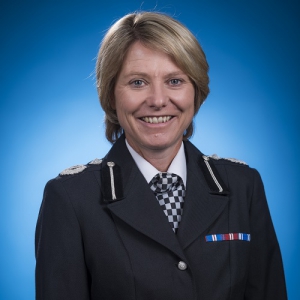
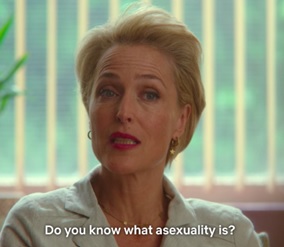
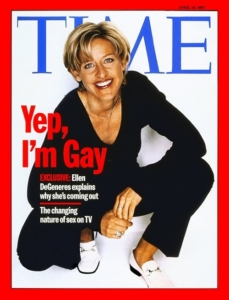 Ellen coming out was global news. She did it with aplomb, she was bold and then she lost work and kudos. I was just silent. I could not and would not speak my truth.

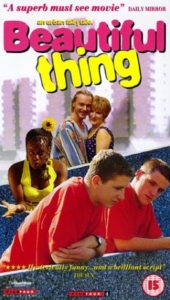 The film he sent me was called ‘Beautiful Thing’, I watched it in secret one night when my parents went out. It was a revelation to me. It was the first time I saw a story about people like me framed in any sort of positive light. The story is set in a working class estate in east London, it follows two teenage boys Jamie and Ste, who meet at school and fall in love, it tells the story of how they eventually find community and acceptance from one of the boy’s parents by the end of the film. The story is sweet, probably a bit tame and prosaic by today’s standards. There’s no dramatic twists, salacious moments or sensational elements, it’s just a simple story of two young men falling in love and the people around them. The characters around them are arguably more interesting that the two central characters, as it’s them that add the drama and tension to the story. The colourful characters surrounding the two boys show how ordinary the love between Jamie and Ste was. The film makes the case that Gay love was the same as any other love and it too could be a beautiful thing. This was the main message I took away from the film. This was in stark contrast to the messaging and moral panic around gay people at the time. That negativity had made me feel like a freak, who wasn’t worthy or capable of love. Seeing this representation, this nice wee story of two young men falling in love, shattered that negative perception which society had given me. Seeing this story, empowered me and let me know that love was meant for queer people too, that we weren’t all doomed to die alone, miserable & in agony. That our stories and our lives mattered. We have community, we have each other, we have love, just like everyone else. This seems obvious now but back then it wasn’t so apparent, nowadays the stories of the queer experience are all around us, nearly every show on TV has a queer character (or several). Shows like Queer as folk, Heart stopper and Sex education have empowered this current generation to be themselves. This is a good thing but it wasn’t always like this, seeing representation of queer people and our love in the 1980’s and 90’s was a rare thing. I’m glad it’s not anymore. I’m really glad our stories are out there for everyone to see.